
Frequently Asked Questions
What is thermal glazing?
Thermal glazing, also called insulating glass or double glazing, is a type of window or patio door that consists of two or more panes of glass separated by an air or gas space. This type of glazing helps improve the thermal insulation of a home by reducing heat loss through the windows. The space between the panes is filled with an insulating gas, such as argon or krypton, which reduces the thermal conductivity of the window. Additionally, some double-glazed windows have a low-emissivity coating, which reduces the amount of heat that passes through the glass. Thermal glazing can help improve the energy efficiency of your home, reduce your heating and cooling bills, and increase your comfort by regulating the indoor temperature. It can also reduce outside noise, improving your quality of life indoors.s
Why a non-conductive interlayer?
The interlayer in insulated glazing is the component that keeps two or more glass panes separated and hermetically sealed together. High-performance interlayers are used to improve the energy efficiency of double-glazed windows by reducing heat loss and enhancing the window’s thermal insulation. These high-performance interlayers are made from insulating materials such as plastic, stainless steel, aluminum, or composite materials. These materials are chosen for their low thermal conductivity, meaning their ability to reduce heat transfer through the interlayer and, consequently, the window. As a result, windows equipped with high-performance interlayers experience reduced heat loss, which can help lower heating and cooling costs in your home. In summary, high-performance interlayers are useful for improving your windows’ energy efficiency, reducing heat loss, saving money on heating and cooling costs, and enhancing comfort in your home.
Why Replace Window Thermals?
1. Loss of Energy Efficiency: If you notice an increase in your heating or cooling costs, or feel drafts near your windows, it’s possible that your window thermals are damaged or worn out. Damaged thermals can let cold air in from outside or allow warm air to escape, increasing your home’s energy consumption and associated costs.
2. Condensation Between Panes: If you see condensation between the panes of your windows, it may indicate that the thermals are damaged or the seal has failed. This can also be a sign that your windows’ thermal insulation is compromised.
3. Physical Damage: Window thermals can be damaged due to impact, storms, or normal wear and tear. If the thermals are cracked or broken, they no longer function as intended and need to be replaced.In general, replacing your window thermals can improve your home’s energy efficiency, reduce heating and cooling bills, and enhance comfort by regulating indoor temperatures. It can also increase your home’s value and improve the appearance of your windows.
When should I re-caulk my windows?
The caulking around your windows should be redone periodically to maintain their airtightness and prevent air and water leaks. Here are some signs that it might be time to re-caulk your windows:
1. Drafts: If you feel drafts near your windows, it could mean the caulking is damaged or worn out. Drafts can lead to heat loss, higher energy bills, and a less comfortable home.s
2. Water Leaks: If you notice water leaks or moisture around your windows after a rain, this may indicate that the caulking is faulty and needs to be replaced.
3. Aging Caulking: Caulking can degrade over time due to exposure to weather, sun, and temperature changes. If your caulking is more than 10 years old, it may be time to replace it.
4. Appearance of Caulking: If the caulking around your windows is cracked, split, or peeling, it could indicate damage and the need for replacement. Generally, it’s recommended to re-caulk your windows every 5 to 10 years, depending on local weather conditions and the state of your caulking. If you notice any of the signs mentioned above, it’s likely time to replace the caulking.
How do I get rid of ladybugs around my doors and windows?
Ladybugs are often considered beneficial because they feed on other pests in your yard or home. However, if they gather in large numbers around your doors and windows, they can become a nuisance. Here are some methods you can try to get rid of ladybugs:
1. Seal Cracks and Gapes: Ladybugs can enter your home through small cracks and gapes around your doors and windows. Be sure to seal these with caulk or weather stripping to keep ladybugs out.
2. Use natural repellents: Ladybugs dislike strong smells like garlic, peppermint, lemongrass, or white vinegar. You can spray a solution of water and white vinegar around your doors and windows or place peppermint leaves or garlic in areas where ladybugs gather.
3. Use ladybug traps: You can purchase ladybug traps at garden stores or hardware centers. These traps attract ladybugs with a sweet substance and capture them without killing them, allowing you to release them outside.
4. Use Insecticides: If the above methods don’t work, you can use insecticides to kill ladybugs. Ensure you use an insecticide specifically designed for ladybugs and follow the manufacturer’s instructions carefully. It’s worth noting that ladybugs are beneficial insects, and it’s preferable to let them live outside whenever possible. If you choose to control ladybugs, try to use non-toxic, environmentally friendly methods as much as possible.
Why do I have a thermal break on my window thermos?
A thermal break on a window glass occurs when one of the two panes of glass is broken or damaged, allowing air and moisture to enter the space between the two panes of glass. This can happen for several reasons, including:
1. Age: Window thermals have a limited lifespan, typically 10 to 20 years depending on their quality and exposure to the elements. Older thermals may be more prone to thermal breakage.
2. Improper Installation: If the window seals have not been installed correctly, they can become damaged over time, which can lead to thermal breakage.
3. Climatic factors: Changes in temperature and humidity can cause stress on the glass panels, which can damage them.
4. Impacts: Heavy objects or knocks on windows can cause thermal breakage. Thermal breakage can lead to air and moisture leaks, which can affect the energy efficiency of your windows and your comfort. If you suspect thermal breakage on your window thermal, it is recommended that you call a professional to inspect it and determine if the thermal can be repaired or if it needs to be replaced.
Why do I have condensation on my window thermoses?
Condensation on window panes is usually caused by a temperature difference between the inside and outside of your home. When warm, humid air inside your home comes into contact with the cool surface of a window pane, it can condense into small water droplets on the inside surface of the pane. Here are some common reasons why you might have condensation on your window panes:
1. Insufficient insulation: If your windows are not well insulated, warm, humid air inside can leak into the space between the glass panels, which can cause condensation.
2. Climatic factors: Extreme temperatures outside can cause condensation on the inside of windows, especially if the windows are poorly insulated.
3. Poor ventilation: Poor ventilation can prevent moist air from leaving the home, which can cause condensation.
4. Window Thermal Quality: Poor quality or damaged window thermals can allow moist air to enter the space between the glass panes, which can cause condensation. To address the problem of condensation on window thermals, you can take the following steps: • Make sure your windows are well insulated and airtight. • Improve ventilation by opening windows or installing a mechanically controlled ventilation (MCV) system. • Have your window thermals inspected to determine if they are damaged and need to be repaired or replaced. It is important to address the problem of condensation on your window thermals because it can cause long-term damage, such as mold and wood rot, which can affect the indoor air quality and health of your home.
Does defogging a thermos reduce its effectiveness?
Defogging a thermos involves removing water vapor that has accumulated inside the double glazing, often due to a leak or manufacturing defect. Defogging can reduce the thermos’s effectiveness because it removes some of the insulating air between the two panes. Double glazing is designed to provide effective thermal insulation thanks to the trapped air between the panes, which acts as a thermal barrier, preventing heat from escaping in winter and keeping it out in summer. When a thermos is defogged, the insulating air is replaced with outside air, which is far less effective for thermal insulation. That said, if your thermos is severely fogged, the efficiency loss from defogging may be less significant than the heat loss caused by the fogging itself. In such cases, defogging can be a temporary solution to improve your window’s appearance. However, it’s recommended to replace the damaged thermos as soon as possible to fully restore your window’s energy efficiency.
DISCOVER OUR SERVICES
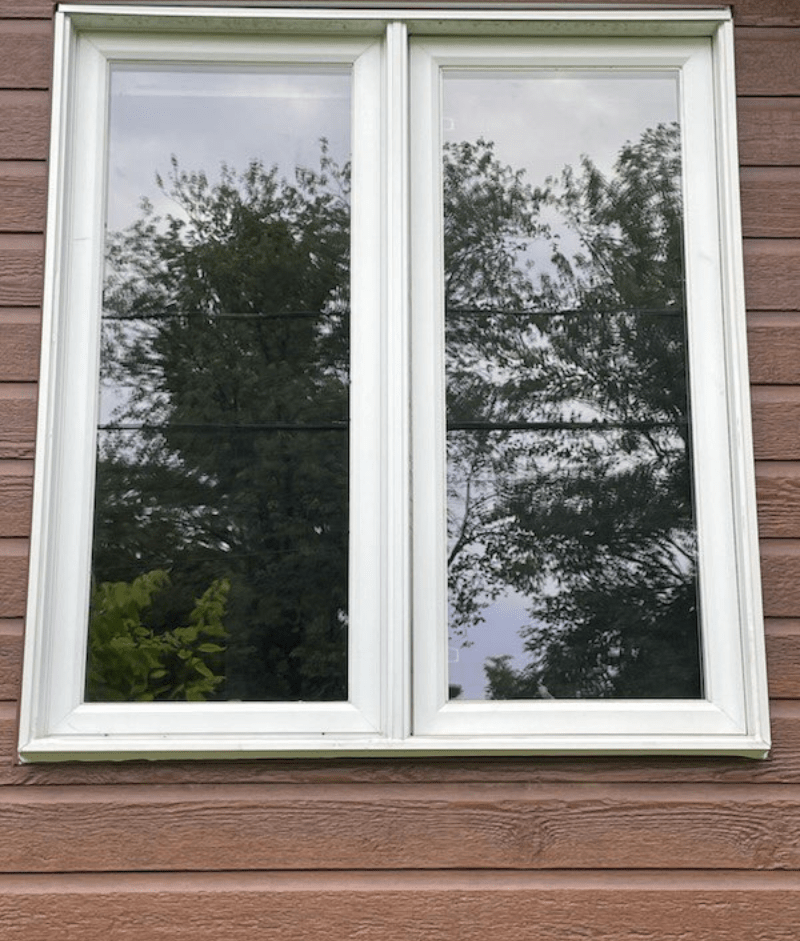
Thermos replacement
Switch to higher-performance glazing and improve your comfort. Treat yourself to superior-quality glazing that is moisture-proof and provides optimal thermal and acoustic insulation.

DOOR INSERT
If your door glass is foggy or you want to revamp your entrance, we offer a wide selection of decorative inserts from leading manufacturers such as Novatech, Verre Select, and Vitre-art.

CAULKING
Proper caulking is essential to ensure your home is watertight and secure. It helps prevent drafts and water infiltration and improves thermal and acoustic insulation.

MOSQUITO NET
We can replace damaged or bent screening, or offer you a brand-new complete frame. We apply the same solutions to patio doors, replacing all necessary parts.
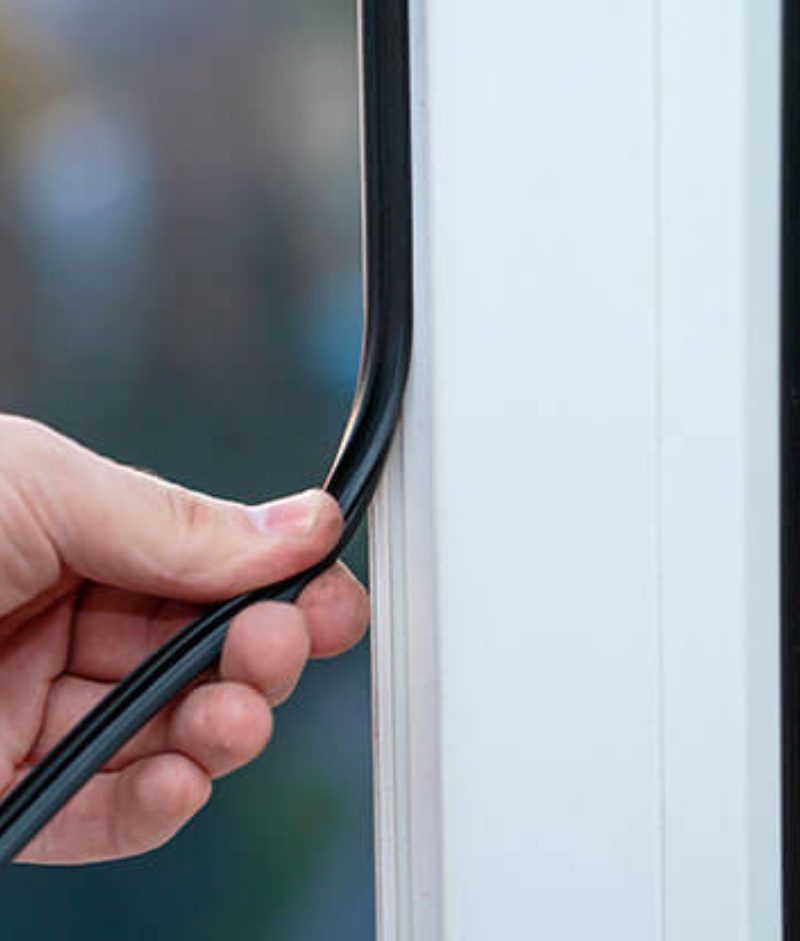
Hardware and weatherstripping
We lubricate, adjust, repair, or replace parts worn by time, such as locks, weatherstripping, cranks, and screens, etc.

SOLARIUM
Proper maintenance of your solarium is necessary to get the most out of it. This includes replacing weatherstripping, parts, and mechanisms, as well as caulking replacement, thermos glass replacement, and defogging.
Contact us